"Live in a student residence where everyone speaks English and your English will improve on its own." It is a common hope — but honestly, simply living there will not do it. What actually moves your English is being somewhere you use it as a daily necessity, not as study. Here is an honest look at what to check when you choose housing in Tokyo and want your English to grow too.
"English-friendly" on paper is not enough
Language grows through moments where you have no choice but to use it — not on a desk. A residence that advertises "English support" will not help if there is no one to actually speak English with day to day; you will end up seeking out online lessons or events yourself. What to look for is not an "English service" — it is a group of people for whom English is genuinely a shared language of daily life.
What works is English inside everyday life
A second language sticks less through deliberate study hours and more through the hours you use it without thinking. Sorting out who cooks what at dinner, deciding weekend plans, taking turns for the laundry — when these ordinary exchanges happen in English (or Japanese), language stops being "today's task" and becomes "what is happening right now." That is the difference between classroom English and lived English.
The "international student residence" type of housing
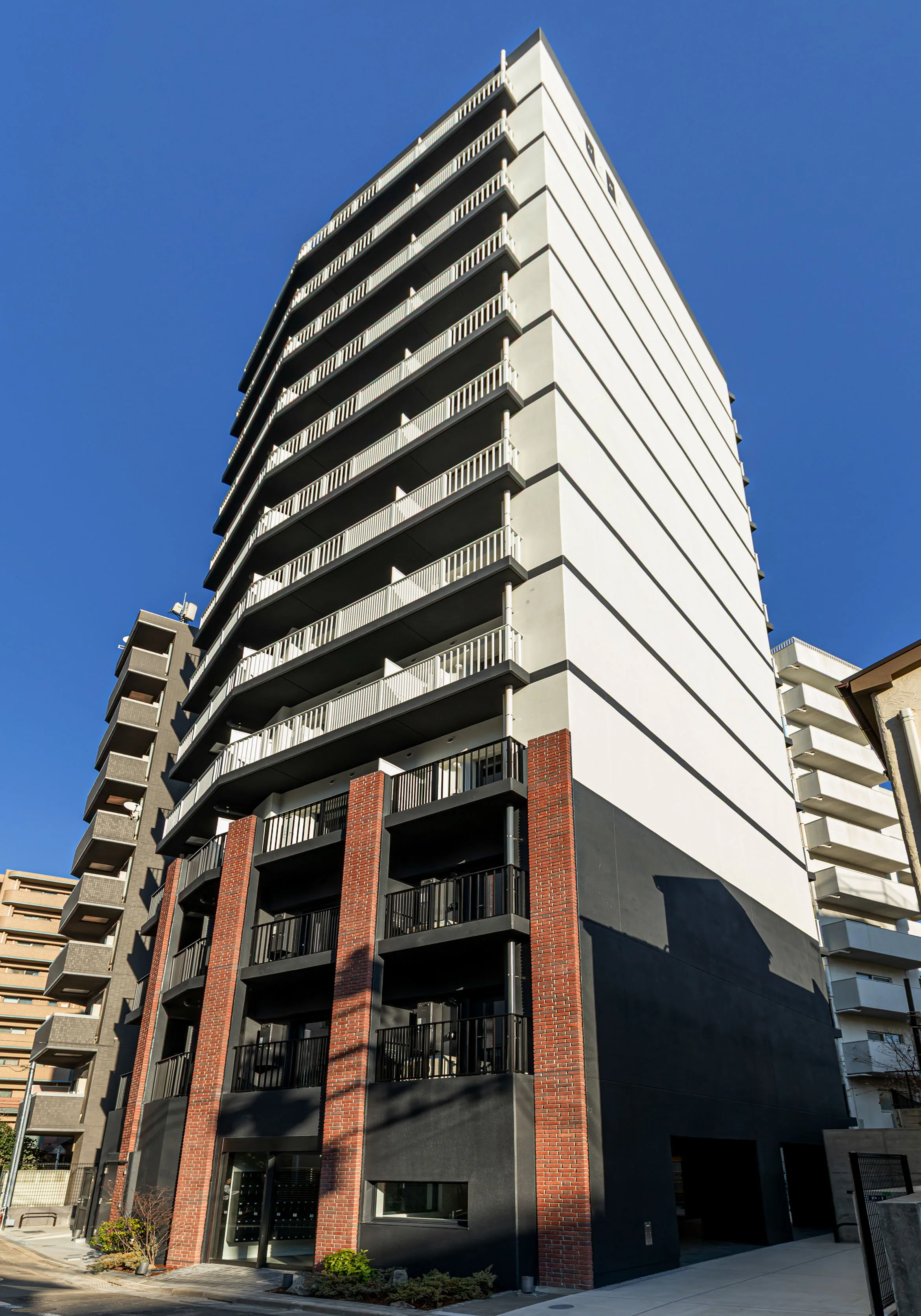
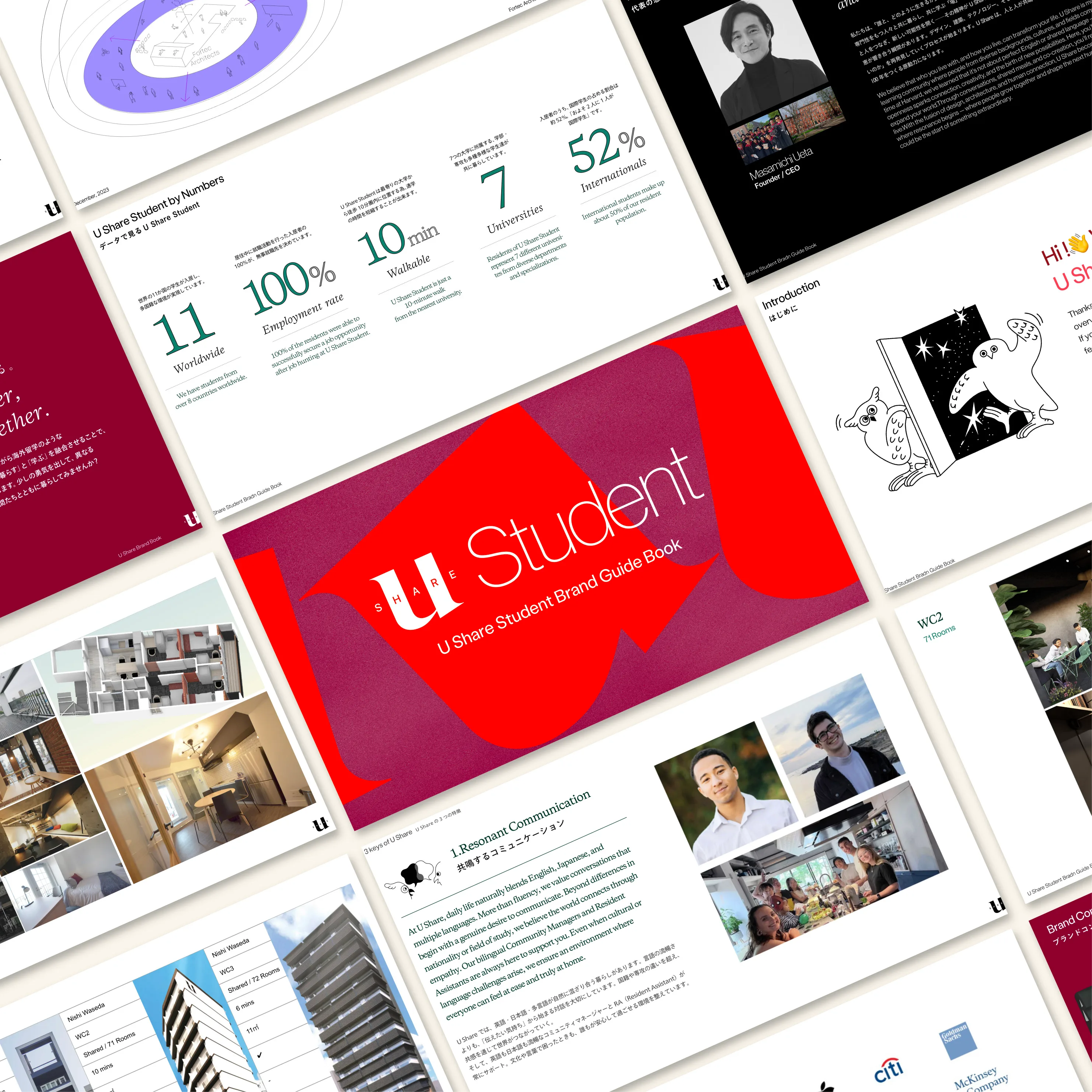
At U Share Student, students from more than 20 countries and regions live together, and in the common areas English and Japanese are the natural shared languages. Each floor shares a kitchen and living space, so residents meet every single day. Cooking together, eating together, heading out into the city — each of these is a chance to use language inside real life. It is less like "studying abroad" and more like living a multinational everyday in Tokyo. Community and events are designed as an extension of daily life, not as a classroom.
How it differs from a solo apartment or a Japanese-only dorm
In a solo studio, or a dorm where everyone speaks only Japanese, you have to go and find chances to use English. In a multinational share-style residence, those chances are built into daily life from day one — that is the biggest difference. And for those who want to grow their Japanese, a multilingual community works exactly the same way.
An honest caveat
Even with the right environment, nothing grows if you do not engage. Shut yourself in your room and the result is the same anywhere. The flip side: simply showing up in the common areas naturally multiplies how often you use English. "Living in English" is easier to sustain — and improves you faster — than "trying hard at English."
What to check when choosing housing
- Are common areas (kitchen, lounge) designed so you naturally meet people?
- Are residents diverse enough that English is a genuine shared language?
- Is there structure that creates interaction (community management, events)?
- Access to your university and the neighbourhood (study and daily life)
Explore U Share's living experience and the differences between buildings with Find Your Room, and the neighbourhood with our Waseda area guide. For more on the residence-as-education idea, see Residential Education.