You have decided on the Waseda area. The next question is how the neighborhood actually works day to day: the stations, the rents, where you shop and eat, and which universities you can reach. We run international student residences here, so this is what we would tell you before you sign anything.
Stations and lines
The strength of this area is that you can pick between several stations with different characters, all walkable.
| Station | Lines | What it's for |
|---|---|---|
| Takadanobaba | JR Yamanote / Tozai / Seibu-Shinjuku | The 3-line hub. Two stops to Shinjuku or Ikebukuro; the student-food capital |
| Nishi-Waseda | Fukutoshin | Direct to Shinjuku-sanchome and Shibuya; two stops to Ikebukuro |
| Waseda | Tozai | Waseda University's front door; direct to Iidabashi and Otemachi |
| Omokagebashi | Toden Arakawa Line (tram) | Tokyo's surviving streetcar; a quiet riverside residential pocket |
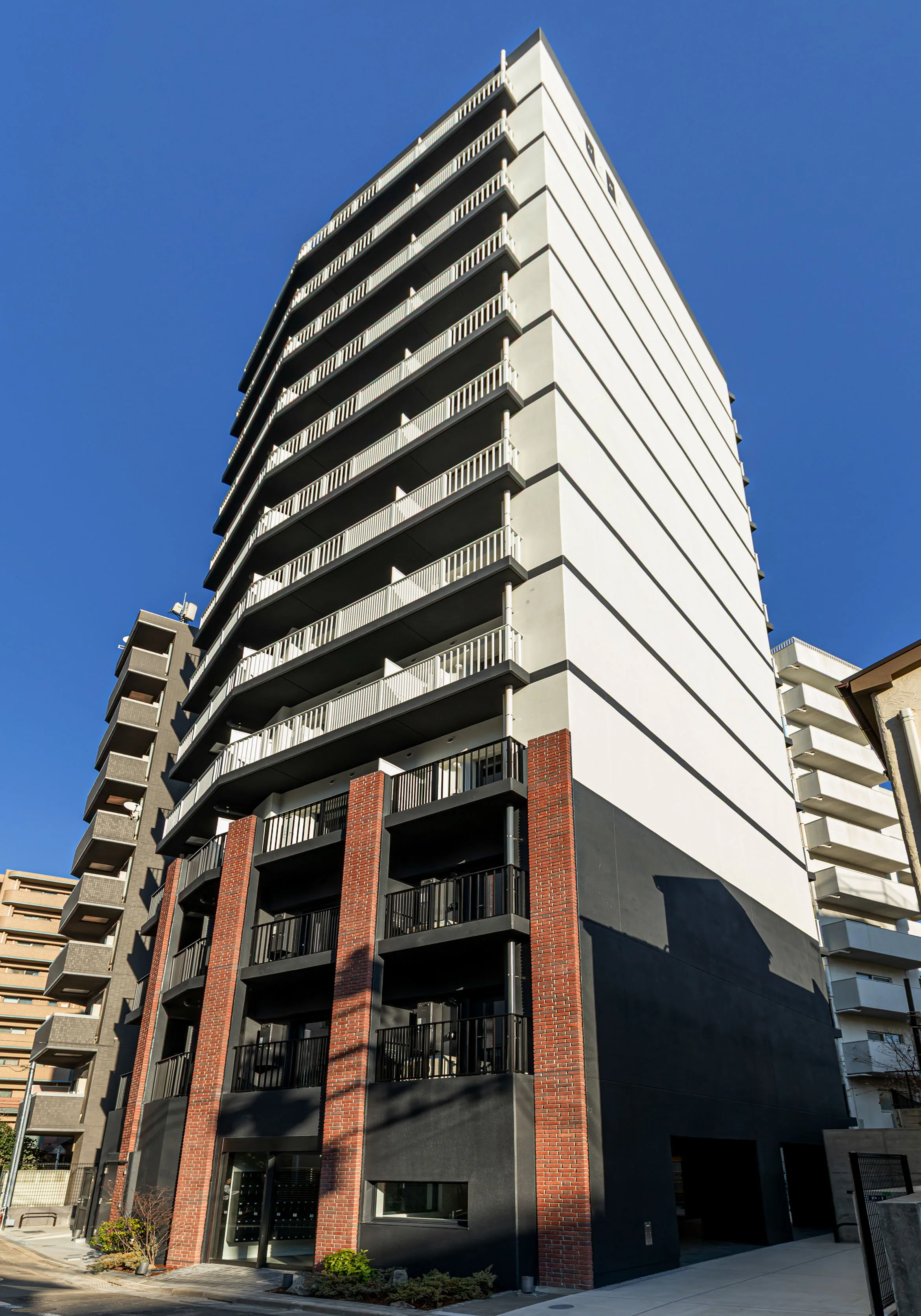
U Share's two residences sit in the middle of this map: WC1 (Nishi-Waseda) is 5 minutes from Nishi-Waseda Station, 7 from Takadanobaba and 10 from Waseda; WC2 (Omokagebashi) is 3 minutes from Omokagebashi Station and 6 from Nishi-Waseda.
Which station should you live near?
Takadanobaba is the hub where the JR Yamanote, Tozai and Seibu-Shinjuku lines meet. Two stops to Shinjuku, two to Ikebukuro, and the densest cluster of student eateries. The area right by the station is lively, and its median rent of JPY 100,500 is the lowest of the three.
Nishi-Waseda puts you on the Fukutoshin line with no transfer to Shinjuku-sanchome or Shibuya, and two stops from Ikebukuro. Step away from the station and it turns residential and quiet. The median is JPY 102,600.
Waseda, on the Tozai line, is the university's front door, with direct trains to Iidabashi and Otemachi. At JPY 111,000 it is the highest median of the three.
Omokagebashi sits on the Toden Arakawa tram line, in a quiet residential pocket along the Kanda River, with Nishi-Waseda Station also within walking distance. Transport convenience or a quiet evening: pick whichever you actually want more.
What rent really costs here
Median asking rents (studio–1DK, within a 15-minute walk, June–November 2025, per SUUMO): Takadanobaba JPY 100,500, Nishi-Waseda JPY 102,600, Waseda JPY 111,000. That is what a student district inside the Yamanote loop costs. For how to budget, see our cost guide, and for a residence set against renting alone on upfront cost, monthly total and length of stay, dorm vs living alone: which is cheaper?
If university housing is also on your list, check two things first: the university-run dormitories recruit incoming undergraduate students and cap how long you can stay, and rooms in the dormitories for exchange students are allocated by lottery each semester (both per Waseda University's Student Dormitory Desk). What to do if you are not eligible or miss the lottery is covered in "Didn't Get a Waseda Dorm?".
Upfront and monthly costs
Comparing rent to rent will not get you anywhere. A management or common-area fee, electricity, gas and water, and an internet line all leave your account every month, and the upfront costs (deposit, key money, agency fee, furniture and appliances) have to be divided by the months you will stay and added to that figure. U Share's monthly total starts at JPY 110,500 at WC1 and JPY 127,000 at WC2, with utilities and internet at a fixed amount inside it, so it does not move with the seasons. A worked example built on a JPY 100,000 room is in dorm vs living alone: which is cheaper?.
Daily life, mapped
- Food. Waseda-dori and the Takadanobaba streets are the home of "Wasemeshi", the local culture of cheap, generous student eateries, from teishoku sets to ramen to world cuisines. Having it within walking distance changes your food budget.
- Green space. Toyama Park, one of the larger parks in central Tokyo, anchors the area, and the Kanda River promenade turns into a cherry-blossom walk in spring.
- Everyday shopping. Supermarkets and drugstores dot Waseda-dori and the station streets, on the way home from any of the stations.
- Quiet nights. The busy district concentrates around Takadanobaba Station, while the Nishi-Waseda and Omokagebashi sides are residential. You choose the energy level.
Live in Waseda, study anywhere
This is not just Waseda University's neighborhood (though the main campus is a 7-minute walk). Gakushuin Women's College is 1 minute from Nishi-Waseda Station; Japan Women's University is one subway stop; Rikkyo (Ikebukuro) is two; Sophia and UTokyo (Hongo) are one transfer away. You are choosing a student district with reach, rather than a spot next to one campus. For the campus-by-campus list, see universities one train from Waseda.
Visiting before you decide
If you are in Tokyo for an open campus day or entrance exams, give the area 30 minutes on foot, from Waseda Station along Waseda-dori through Toyama Park to Nishi-Waseda Station. The slopes on the walk, where the supermarkets are, how the streets feel at dusk. None of that is in a brochure. Viewings at U Share are by appointment via the inquiry form and can be combined with the same visit.
Your housing options here
The area offers four housing types: private rentals, share houses, dorms, and international student residences. Our 4-type guide compares them. U Share is the residence type, with students of 20+ nationalities under one roof, furnished rooms, and a flat monthly total. Check your fit and cost in about 60 seconds with Find Your Room.
Next steps
Get a feel for the area and the residences in our photo gallery, see the Waseda University page, and the full cost picture in the cost guide.
Your room and monthly cost take about 60 seconds to estimate with Find Your Room. Viewings are by appointment; ask about one through an online consultation.